


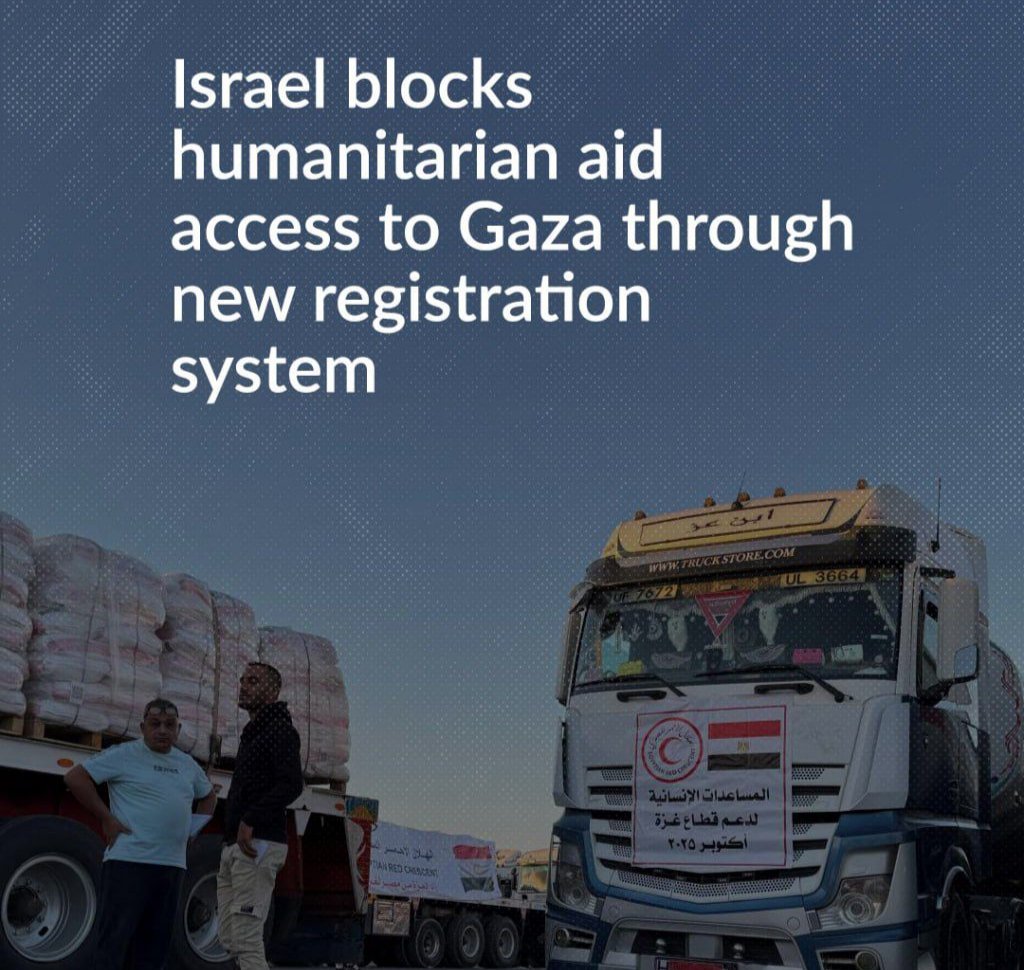
Reports from The Financial Times and multiple humanitarian organizations indicate that Israel has introduced a new registration system for NGOs operating in Palestinian territories, significantly slowing and obstructing the delivery of vital aid to Gaza. Tens of millions of dollars’ worth of assistance remain held outside the Strip, while dozens of requests for aid convoys have been rejected under bureaucratic pretexts.
A New Layer of Restriction
According to The Financial Times, Israel’s newly imposed registration process for non-governmental organizations has effectively hindered the entry of humanitarian supplies into Gaza. The system requires NGOs to submit detailed information about their staff, donors, and activities—conditions that aid groups say endanger local workers and allow Israeli authorities to arbitrarily deny access on “security” grounds.
Humanitarian agencies warn that this administrative barrier is worsening the already dire situation in Gaza, where civilians depend on international assistance for food, water, and medical supplies.
Dozens of Aid Requests Rejected During the Ceasefire
A coalition of 40 international humanitarian organizations, including Médecins Sans Frontières (MSF), Oxfam, and the Norwegian Refugee Council (NRC), reported that Israel rejected 99 aid delivery requests during the first 12 days of the ceasefire.
According to the report, three-quarters of these rejections were justified by claiming that the organizations were “not authorized” to deliver aid in Gaza. As a result, tens of millions of dollars’ worth of essential goods—food, medicine, and relief materials—remain stranded at border crossings or warehouses outside the enclave.
“Weaponizing Aid”: Humanitarian Voices Speak Out
Aid groups have condemned Israel’s new system as a form of “bureaucratic warfare” that politicizes humanitarian relief.
The NRC described the restrictions as “deliberate obstruction of life-saving assistance,” while Oxfam stated that “aid must never be weaponized.”
MSF further warned that these delays are directly contributing to hunger, disease, and preventable deaths inside Gaza.
Israel’s Official Justification
Israeli authorities, including the Coordination of Government Activities in the Territories (COGAT), argue that the registration system is necessary to prevent weapons smuggling and to ensure that aid does not reach armed groups.
However, humanitarian organizations insist that the requirements are disproportionate, non-transparent, and violate international humanitarian law, which obligates the occupying power to facilitate—not restrict—humanitarian relief for civilians in need.
Legal and Ethical Implications
Legal experts highlight that obstructing aid delivery to civilians under occupation constitutes a breach of the Fourth Geneva Convention. The demand for detailed lists of Palestinian staff members also raises concerns about data privacy and potential security risks for those workers.
The UN and humanitarian coalitions have repeatedly called for an immediate lifting of unnecessary bureaucratic barriers and for the creation of a transparent mechanism to ensure that aid can enter Gaza safely and swiftly.
Human Impact on the Ground
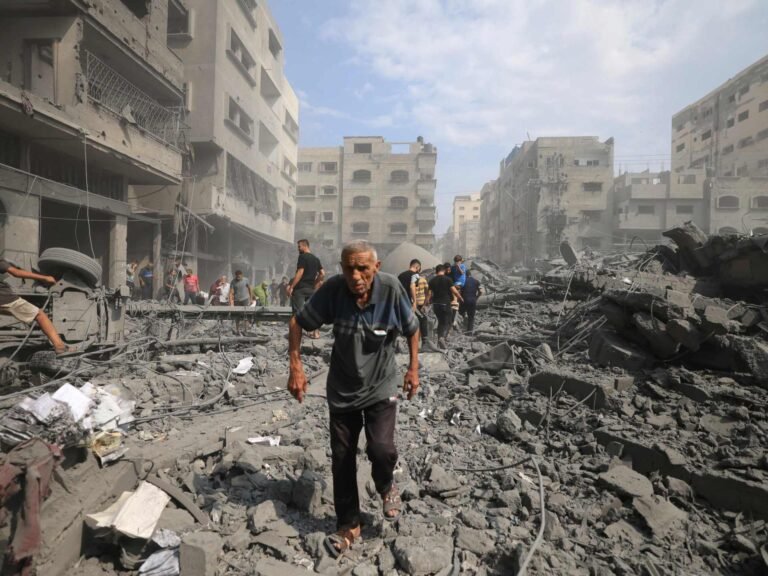
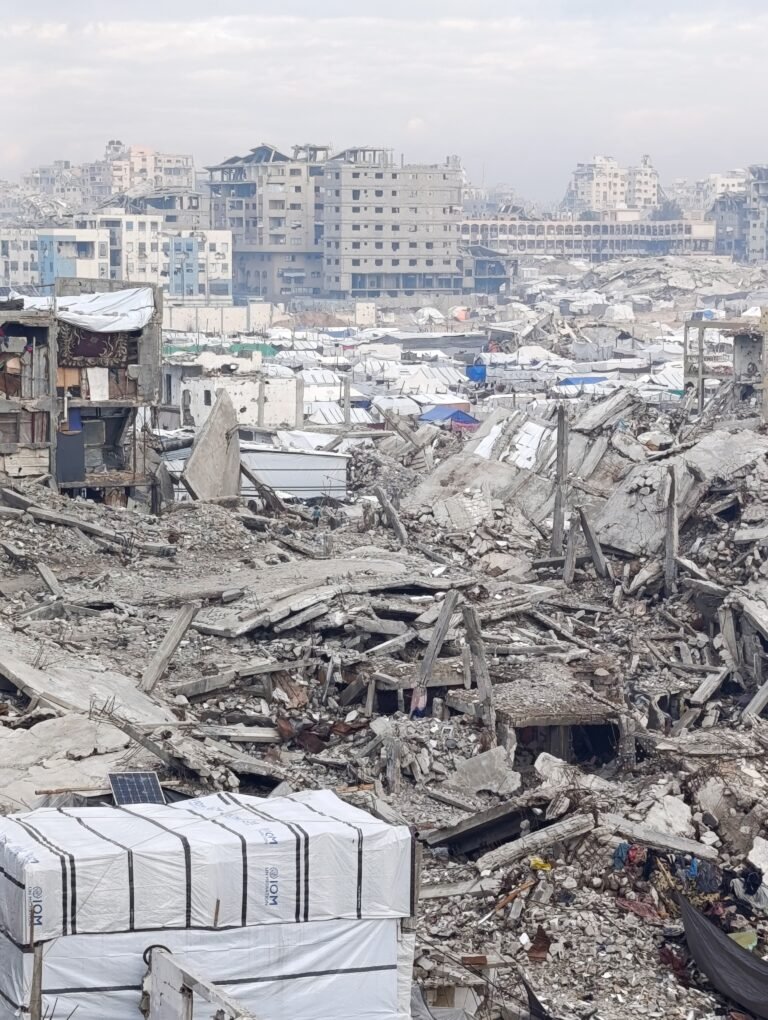
The direct consequence of these restrictions is the slowing or complete halt of critical supplies—including water, food, fuel, and medical items—reaching Gaza’s hospitals, shelters, and displaced families.
With the territory already facing a severe hunger crisis, every additional day of delay deepens the suffering of civilians, especially children and the elderly.
What Needs to Be Done
- Immediate humanitarian exemptions: Allow urgent aid shipments to enter Gaza without bureaucratic delay.
- Joint coordination mechanism: Create a transparent process between the UN, humanitarian agencies, and Israeli authorities to accelerate approvals while protecting workers’ data.
- Adherence to international law: Ensure that Israel fulfills its legal duty to facilitate humanitarian access to occupied territories.
Conclusion
This is not merely an administrative issue—it is a matter of life and death. Every shipment delayed, every form withheld, and every request denied means another family in Gaza goes without food, medicine, or shelter.
The international community must act decisively to ensure that humanitarian aid reaches those who need it most, free from political obstruction.
Sources
The Financial Times – “Israel still slowing aid deliveries into Gaza, humanitarian groups say.”
Norwegian Refugee Council (NRC) – Mounting alarm as Israeli authorities reject NGO applications to transport life-saving aid into Gaza.
Oxfam International – Aid must not be weaponized.
The Guardian – “Aid groups say Israel’s new registration rules are weaponizing aid.”
Médecins Sans Frontières (MSF) – Choking Gaza: The impact of aid restrictions on health and survival.

1 thought on “Israel Obstructs Humanitarian Aid to Gaza Through New NGO Registration System”