


Jerusalem on Edge: Al-Aqsa Excavations Threaten Heritage
Jerusalem on the Brink: Excavations Beneath Al-Aqsa Threaten History and Identity
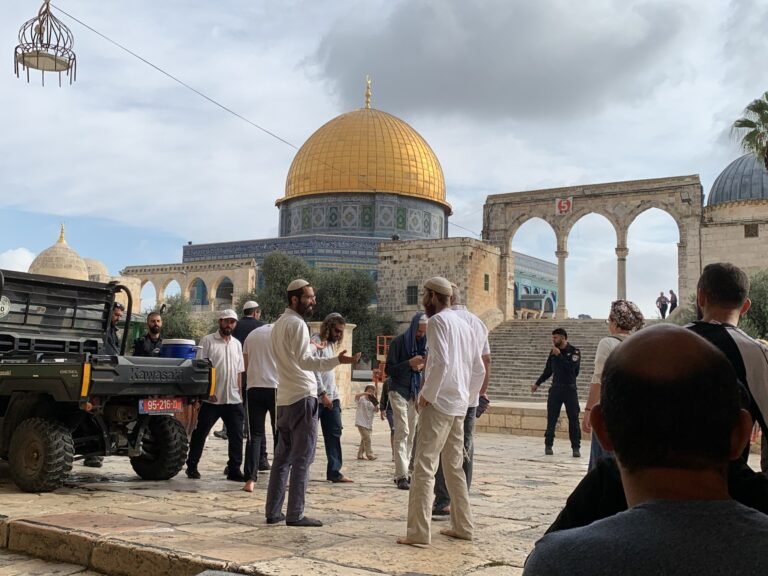
In the heart of Jerusalem’s Old City—beneath the stones that have echoed centuries of prayer—mysterious excavations continue under and around Al-Aqsa Mosque.
While Israeli authorities insist these are “archaeological works,” Palestinian and Jordanian officials warn of “a dangerous alteration of the city’s spiritual and physical landscape,” threatening partial collapse at one of the world’s most sacred sites.
Digging Beneath the Holy Ground
For decades, rumors of a network of tunnels have surrounded the Haram al-Sharif area, but recent months (Autumn 2025) have seen a marked acceleration.
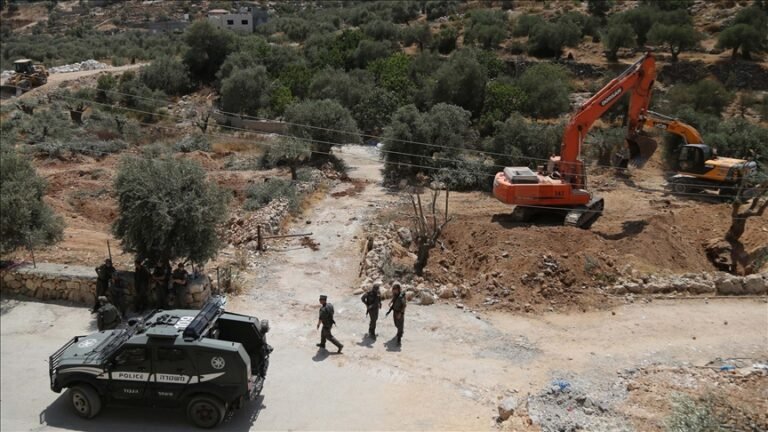
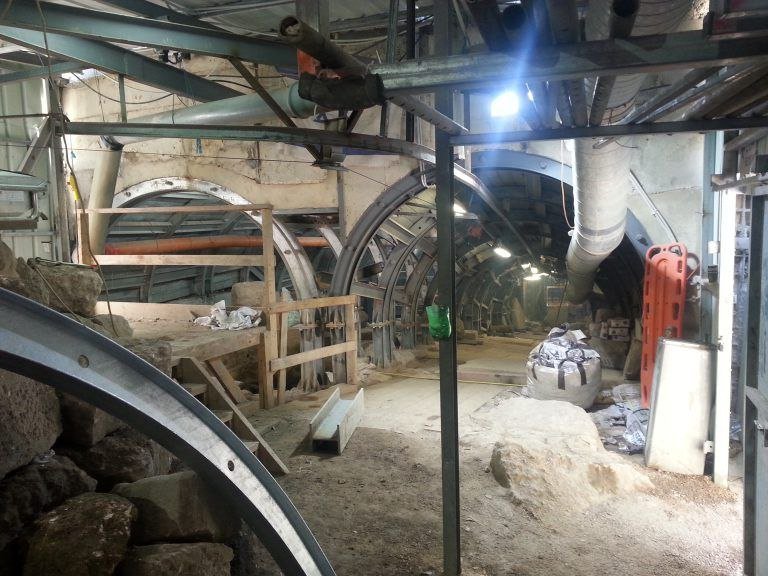
According to reports from the Jerusalem Governorate and the Jordanian Waqf, deep excavations—between six and fifteen meters—are being carried out around the southern and western walls of the compound, supervised by Israeli institutions and settler groups.
Eyewitnesses describe night-time digging operations using advanced machinery, and trucks hauling tons of soil out of the Old City—raising fears of direct impact on Al-Aqsa’s foundations and sub-structures.
From “Archaeology” to “Judaization”
Israeli discourse presents these works as archaeological attempts to “reveal the remains of the Second Temple.”
Palestinians, however, view them as a deliberate attempt to rewrite Jerusalem’s history—to rebrand the city’s ancient heart as an exclusively Jewish heritage zone.
Analytically, the excavations represent more than archaeology; they are an act of symbolic engineering—a way of remapping sacred geography to diminish the Muslim presence and assert exclusive ownership of “Temple Mount.”
Cracks in the Stones—and in the Trust
A Palestinian WAFA report (October 2025) documented new fissures in the southern and southwestern walls of the compound, and minor collapses near the Moroccan Gate area.
Archaeologists warn that continued underground disturbance could trigger structural imbalance or subsidence, endangering both the mosque and nearby heritage structures.
Marwan Barghouti: The Palestinian Human Behind Bars
Beyond the physical danger lies an erosion of trust: Jordan, custodian of Islamic holy sites, condemns these actions as a breach of the historical status quo, while the Palestinian Authority sees them as part of a wider “silent annexation” of Jerusalem.
Legal and International Dimensions
The 1954 Hague Convention prohibits altering religious or cultural landmarks in occupied territories.
Yet these principles remain unenforced in Jerusalem, as international bodies issue statements without intervention—effectively granting Israel leeway to pursue what critics call a policy of “selective history.”
Organizations like UNESCO and the Organization of Islamic Cooperation (OIC) have repeatedly warned that the excavations threaten shared human heritage, but lack the mechanisms to compel compliance.
Conclusion: Beneath Al-Aqsa Lies More Than Earth
What unfolds beneath Jerusalem is not merely geological; it is existential.
Every stone removed from beneath Al-Aqsa reopens the question: is Jerusalem a shared city of faiths—or a battlefield for historical monopoly?
Between archaeological claim and political intent, Al-Aqsa still stands—but the ground beneath it may never be the same.