

Gaza After the Ceasefire: A Fragile Truce and a Suspended War
Gaza – Special Report
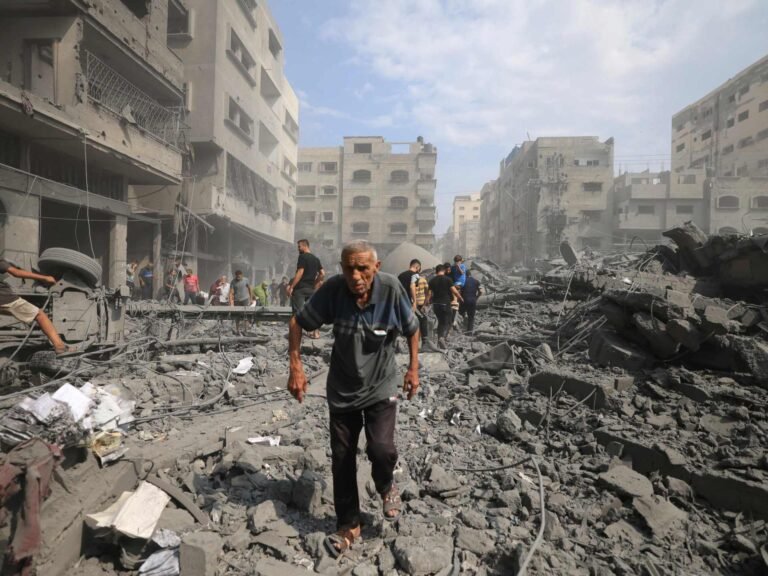
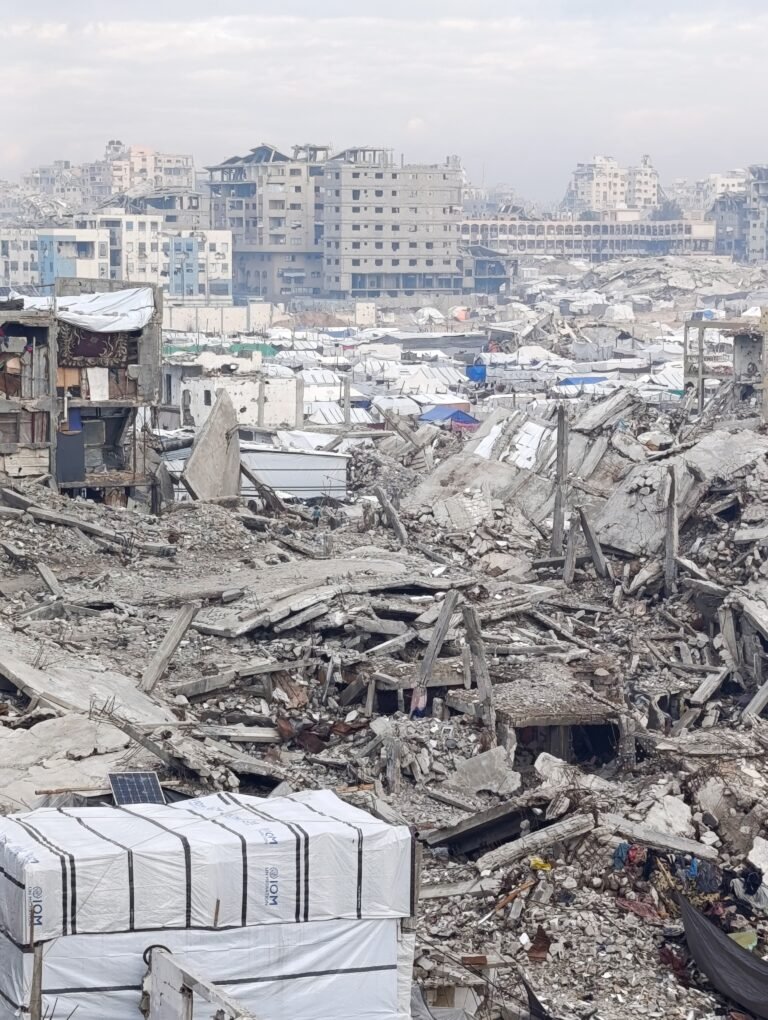
More than two months after the announcement of a ceasefire in the Gaza Strip, the war appears militarily paused in its large-scale form. However, field and humanitarian realities suggest an extremely fragile situation, closer to a frozen conflict than a genuine end to the war. Despite the decline in widespread bombardment, the root causes of the conflict remain unresolved, while civilian suffering deepens amid a devastated city where reconstruction has yet to begin.
A Limited Agreement Within a Broader Plan
According to a report by Reuters, the current ceasefire agreement represents only a partial phase of a broader U.S.-backed plan proposed in September. So far, only the first stage has been implemented, including a partial halt to hostilities, prisoner exchanges, limited Israeli troop withdrawals, and a modest — yet insufficient — increase in humanitarian aid.
Subsequent phases, which include a full Israeli withdrawal from Gaza, the establishment of a Palestinian transitional administration, and the disarmament of resistance factions, remain stalled due to the absence of political and security consensus.
Killings Continue Despite the “Truce”
On the ground, despite the return of all living Israeli captives and the recovery of most bodies, Palestinians continue to pay a heavy price. The Gaza Ministry of Health reports that approximately 400 Palestinians have been killed since the ceasefire took effect, largely due to Israeli fire near contact zones or during military operations Israel claims target armed fighters.
Meanwhile, limited attacks by Palestinian resistance fighters against Israeli forces inside Gaza have also been reported, underscoring the ongoing low-intensity confrontation and the fragility of the ceasefire.
A Deepening Humanitarian Catastrophe
Humanitarian conditions in Gaza remain catastrophic, according to Reuters. The volume of aid entering the territory falls far short of actual needs, amid persistent accusations that Israel is obstructing the entry of essential supplies, including fuel, medical equipment, and shelter materials.
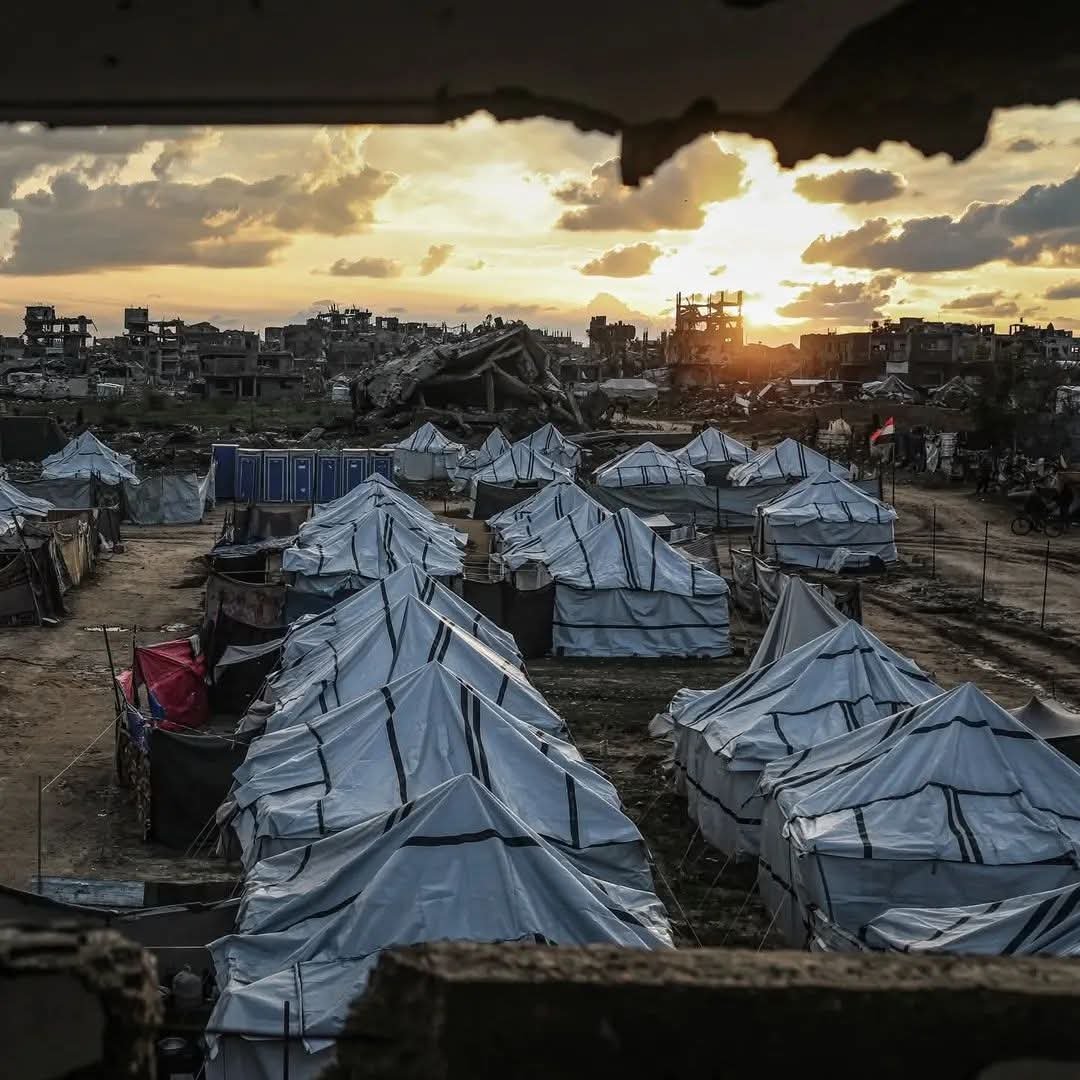
The Rafah crossing remains closed, with Israel linking its reopening to political and security conditions. As a result, thousands of displaced families are living in dilapidated tents, exposed to heavy rainfall, sewage flooding, and severe shortages of food and medicine.
The United Nations Children’s Fund (UNICEF) has warned of “shocking” levels of malnutrition among children, particularly in displacement areas, cautioning that current conditions threaten the lives of an entire generation in Gaza.
Political Deadlock and Lack of Vision
Reuters notes the absence of progress on core political issues. There is no agreement on deploying an international security force, no announcement of a Palestinian interim governing body excluding Hamas, and no clear reforms within the Palestinian Authority that would prepare it to assume control of Gaza.
Hamas, for its part, refuses to disarm prior to the establishment of an independent Palestinian state, while Israel conditions any further withdrawal on the dismantling of resistance capabilities — reinforcing the political stalemate.
An Uncertain Future for the Ceasefire
According to Reuters’ assessment, the future of the ceasefire remains highly uncertain. Israel continues to threaten a resumption of the war if resistance weapons are not dismantled, while Palestinians fear the truce may evolve into a permanent reality of siege, destruction, and stagnation without reconstruction or sovereignty.
The report also points to emerging field indicators suggesting a potential de facto division of Gaza, with some areas under direct Israeli control and others left without services or prospects for survival.
A War That Has Not Ended
In conclusion, Reuters argues that Gaza today is experiencing neither peace nor the end of war, but rather a suspended state: large-scale fighting has paused, destruction continues, and civilians are left to confront cold, hunger, and disease, while decisive political decisions remain deferred and the future of the Strip remains open to all possibilities.