

US Says Gaza Aid Is Increasing, But Palestinians Describe It as ‘Engineered Starvation’
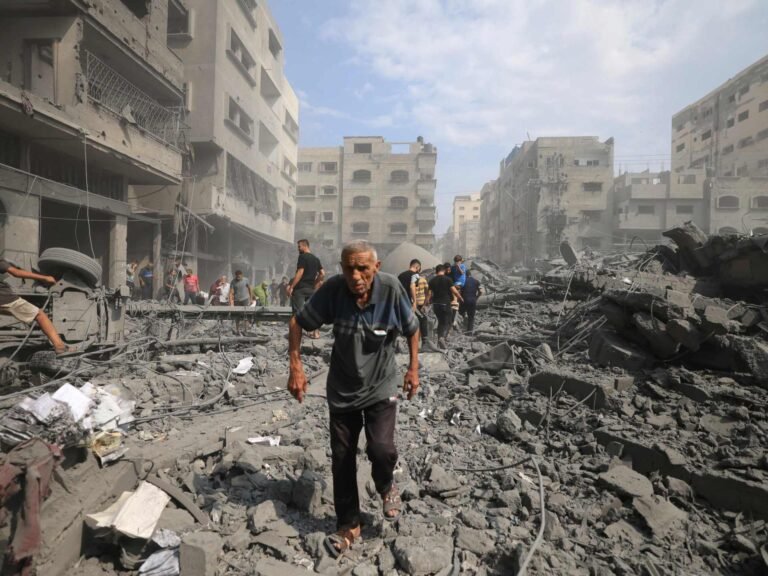
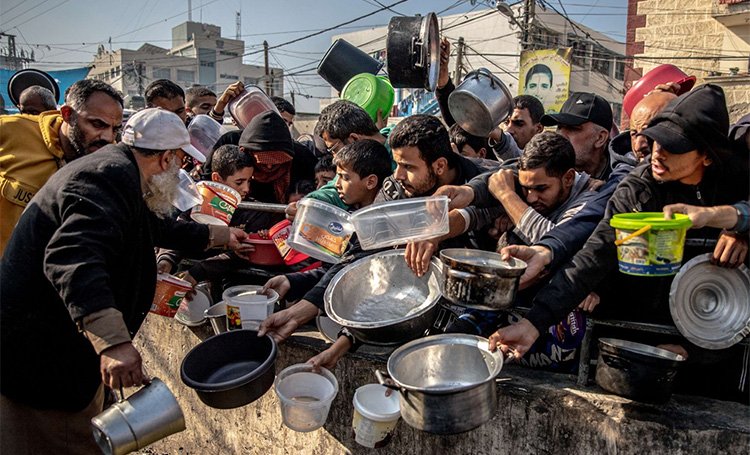
The United States has claimed that humanitarian aid and commercial goods entering the Gaza Strip have significantly increased since the ceasefire began in early October. However, Palestinians and international aid organizations strongly dispute these claims, accusing Israel of deliberately implementing “engineered starvation” through tight restrictions on essential goods.
US Highlights ‘Progress’ in Gaza Aid
White House spokesperson Dylan Johnson told Al Jazeera on Sunday that nearly 15,000 trucks carrying aid and commercial goods have entered Gaza since October 10 — an average of 674 trucks per day.
Johnson said humanitarian teams had reached over one million people with food parcels, and meal production had increased by 82% since late September.
“The United States is leading a historic effort to address the critical needs of Gazans right now,” Johnson stated, adding that Washington is committed to treating Palestinians “with dignity and respect.”
Palestinian Officials Reject ‘Deceptive’ Claims
Gaza’s Government Media Office said the real number of trucks entering the Strip since the ceasefire started is only 4,453, roughly 28% of the agreed amount.
“These limited quantities fall far below the humanitarian threshold,” the office said, urging Israel to allow at least 600 trucks daily carrying essential supplies — food, medicine, fuel, and cooking gas.
Officials accused Israel of implementing a policy of “engineered starvation,” banning more than 350 essential food items, including eggs, cheese, vegetables, and nutritional supplements — while allowing in low-value products such as chocolate, crisps, and soft drinks.
“This proves that the occupation is deliberately using food as a weapon against civilians,” the office said.
UN Confirms Aid Still ‘Far Below Needs’
UN spokesperson Farhan Haq told reporters that only 37,000 metric tonnes of aid had entered Gaza since October 10 — mostly food. He warned that “urgent needs remain immense,” with many restrictions still in place.
Chris Gunness, former UNRWA spokesperson, called Israel’s blockade “a war crime,” accusing it of “starving an entire population.”
The World Food Programme (WFP) confirmed that only half of the required food is entering Gaza, describing the crisis as “a race against time.”
“The winter months are coming. People are still suffering from hunger, and the needs are overwhelming,” said WFP spokesperson Abeer Etefa.
Humanitarian Groups Say Gaza Remains ‘Under Siege’
The Norwegian Refugee Council (NRC) reported that only about 100 aid trucks per day are allowed through the UN system.
“We have $4 million worth of aid sitting in Egyptian warehouses waiting for Israeli approval,” said Shaina Low, NRC communications adviser.
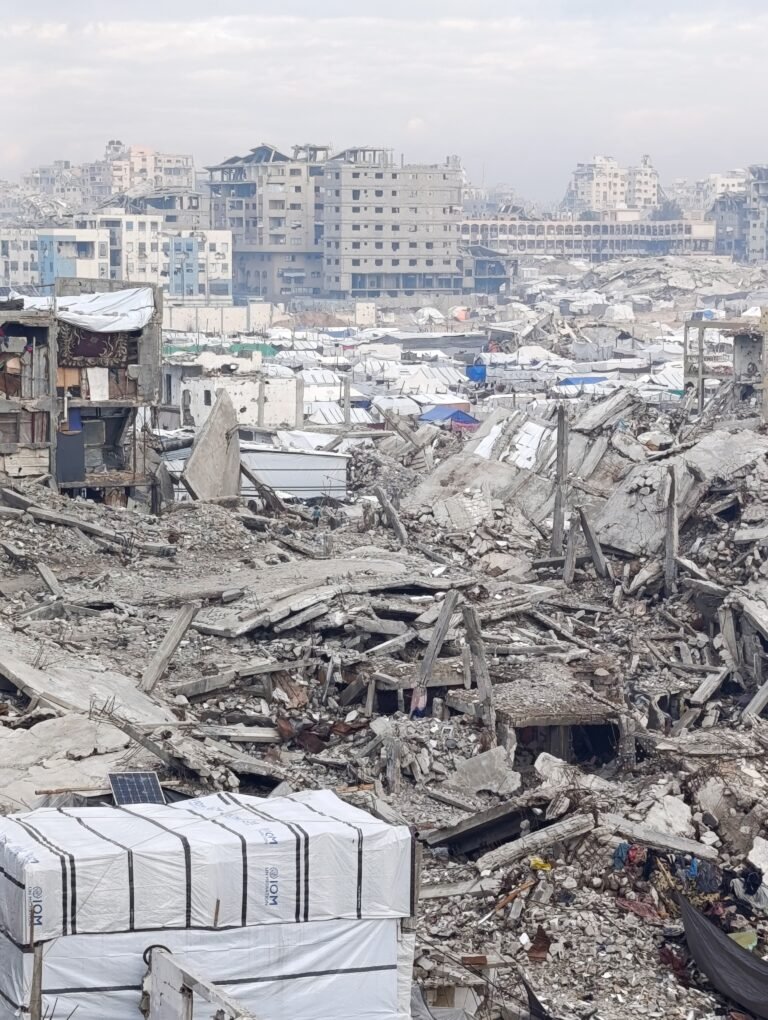
She added that even tents and tarpaulins are being blocked, leaving thousands of displaced families exposed to rain and cold.
Dr. Ismail Al-Thawabta, head of Gaza’s Media Office, said the content of the trucks matters more than their number: “Most contain junk food, soft drinks, or low-nutrient snacks — not essential items like medicine or grains.”
He described the policy as a form of systematic starvation, violating international humanitarian law and the Geneva Conventions.
Fuel Shortage Deepens the Crisis
Fuel restrictions have worsened living conditions, with more than 60% of Gazans cooking over wood or burning waste, according to OCHA.
The Gaza Petroleum and Gas Authority said that between November 3–5, not a single gas truck was allowed in.
Despite a ceasefire clause requiring Israel to allow humanitarian aid, residents say that only minor, symbolic relief has reached them, while the blockade continues to strangle daily life.
Famine by Design
The Integrated Food Phase Classification (IPC) declared in August that Gaza is facing an “Israeli-made famine.”
By late October, 447 people — including 147 children — had reportedly died from malnutrition.
Human rights experts say the situation illustrates how starvation is being used as a method of warfare, a violation under international law.
(For more on this issue, see our previous report on [Gaza Famine and International Accountability])
Israel Obstructs Humanitarian Aid to Gaza Through New NGO Registration System
FAQ
Q1: What does “engineered starvation” mean?
It refers to the deliberate restriction of essential goods like food and fuel to weaken or punish a civilian population.
Q2: How many aid trucks are needed daily to meet Gaza’s needs?
According to the Gaza Government Media Office, at least 600 trucks per day are required — nearly four times the current average.
Q3: What is the role of the UN and NGOs?
UN agencies and NGOs like the WFP and NRC are coordinating aid deliveries, but Israeli restrictions and closed crossings continue to block sufficient access.