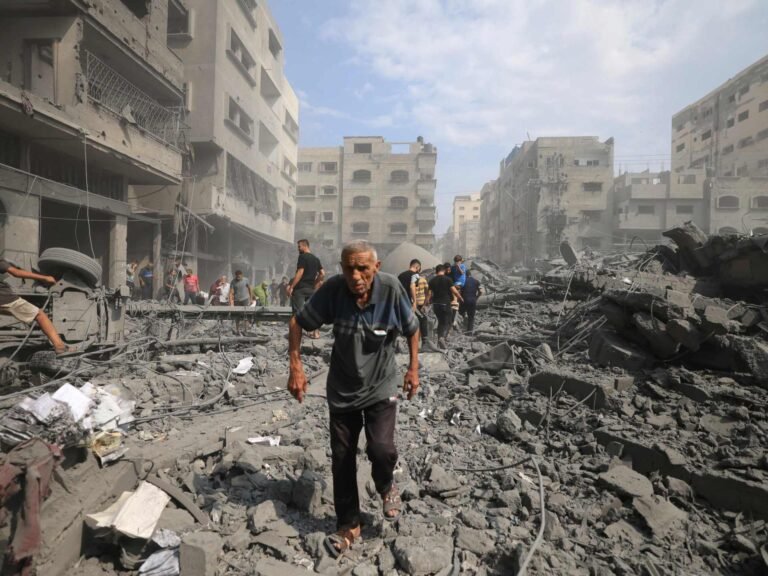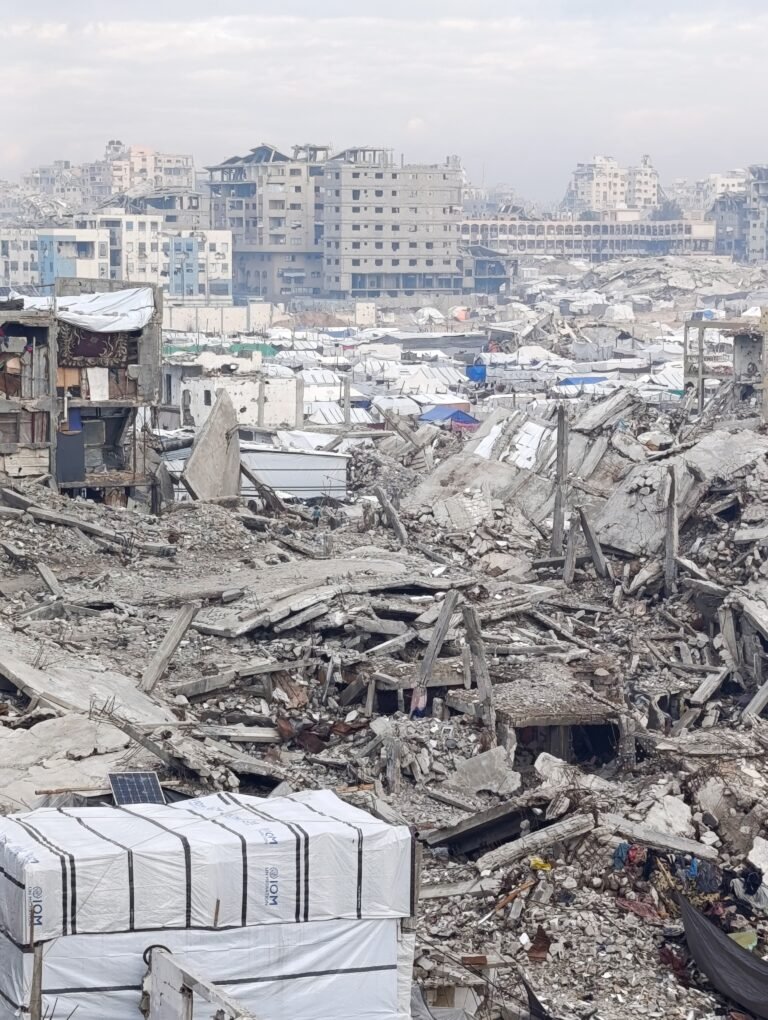


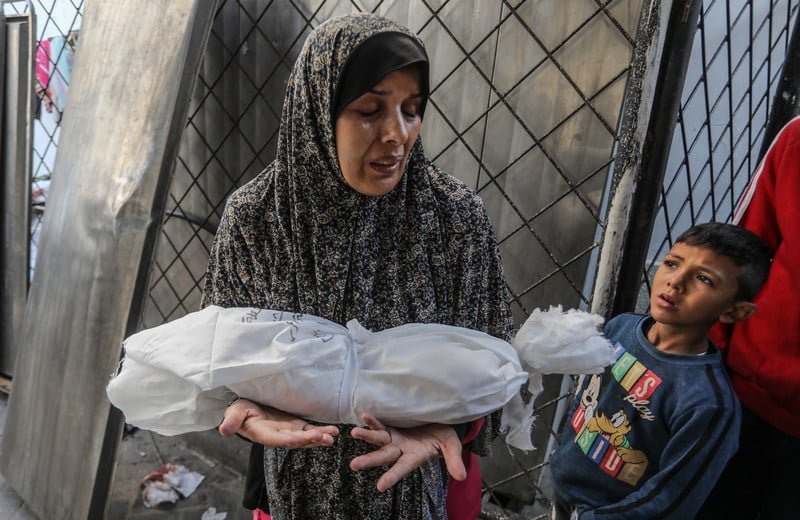
In the southern Gaza city of Khan Younis, a Palestinian child lost their life after an explosive device — reportedly left behind by Israeli forces — detonated. The tragic death comes amid continuing attacks by Israeli forces across the war-torn enclave, which claimed the lives of three additional civilians in recent days. The mounting toll highlights a deepening humanitarian crisis and the growing threat posed by unexploded ordnance in Gaza.
The Fatal Explosion
According to reports from Nasser Hospital, the child was killed on Saturday after the explosive detonated. Health officials in Gaza and the United Nations Mine Action Service (UNMAS) have repeatedly warned that devices left behind during military operations continue to claim lives across the Gaza Strip. United Nations+3UNMAS+3UNMAS+3 One local witness, Munir al‑Bursh, described the horrors seen in hospital wards: “Hospitals receive children every day with horrific injuries, torn bodies, amputated limbs, and faces that have lost their features,” he said. He added that explosives have been concealed inside toys, dolls and other children’s items designed to lure innocent victims.
Explosive Remnants: A Hidden Threat
The contamination of Gaza with unexploded ordnance has become a severe and long-term hazard. UNMAS states that explosive ordnance disposal teams in Gaza are encountering aerial bombs, mortars, rockets, grenades and deep-buried devices. UNMAS+2UNMAS+2 Estimates suggest that between 5 % and 10 % of munitions deployed in the enclave failed to detonate, leaving potentially thousands of hidden bombs under rubble. Anadolu Ajansı+1 According to local emergency services, over 70,000 tonnes of explosives remain buried in Gaza — turning once-safe neighbourhoods into mine-field-like zones. The clearance of these explosives will require years and heavy resources. Al Jazeera+1
Impact on Children and Aid Efforts
Children are among the most vulnerable to these unexploded bombs. The confusion between toys and devices, and the presence of explosives in heavily damaged areas, have resulted in multiple casualties. Meanwhile, humanitarian agencies report that aid delivery and debris removal are severely hampered by the risk of unexploded ordnance, slowing recovery efforts across the Strip. UNMAS
Continued Israeli Attacks Amidst Hazardous Environment
While unexploded ordnance remains a silent killer, Israeli military operations continue unabated. On Sunday morning, a drone strike in the town of Bani Suheila east of Khan Younis killed a civilian and injured a woman who was checking on her home. In the central camp of Bureij Refugee Camp an artillery shell killed another man, and a third civilian lost his life in northern Gaza. Home-demolition operations have also been reported in the eastern sector of the Strip in recent days. These attacks add to the relentless cycle of violence and fear that civilians face daily.
Why the Threat Persists
The clearance of weapons and debris is severely challenged by restrictions on entry of heavy machinery and equipment, according to Gaza’s city officials. Al Jazeera+1 The combination of dense urban destruction and buried explosives means that areas once considered cleared may still hide deadly devices.
The death of a young child in Khan Younis underscores both the visible and invisible dangers facing civilians in Gaza. On one hand, there are ongoing military strikes; on the other, there is a silent, hidden killer in the form of unexploded ordnance. Until the Strip is fully cleared and reconstruction begins in earnest, the lives of countless families — especially children — remain at risk. The world must recognise that even during a ceasefire, the threat does not vanish: it lurks beneath the surface, waiting to shatter another life.