


Breaking News
Israeli Channel 14 reports that Prime Minister Benjamin Netanyahu has rejected a proposal by War Cabinet member Gadi Zamir to release Hamas fighters trapped in the underground tunnel network in Rafah, southern Gaza, in exchange for the body of Israeli soldier Hadar Goldin, held by Hamas since the 2014 war.
Netanyahu stated firmly, “Israel will not grant safe passage to Hamas operatives under any circumstances,” describing any such deal as “a surrender to terrorism.” Analysts say this rejection reflects Netanyahu’s continued use of security pretexts to justify ongoing military escalation in Rafah.
Trapped Fighters in Rafah’s Tunnels
Sources estimate that around 200 Al-Qassam Brigade fighters have been trapped for over a year and a half inside the complex tunnel system beneath Rafah, known militarily as the “yellow zone.”
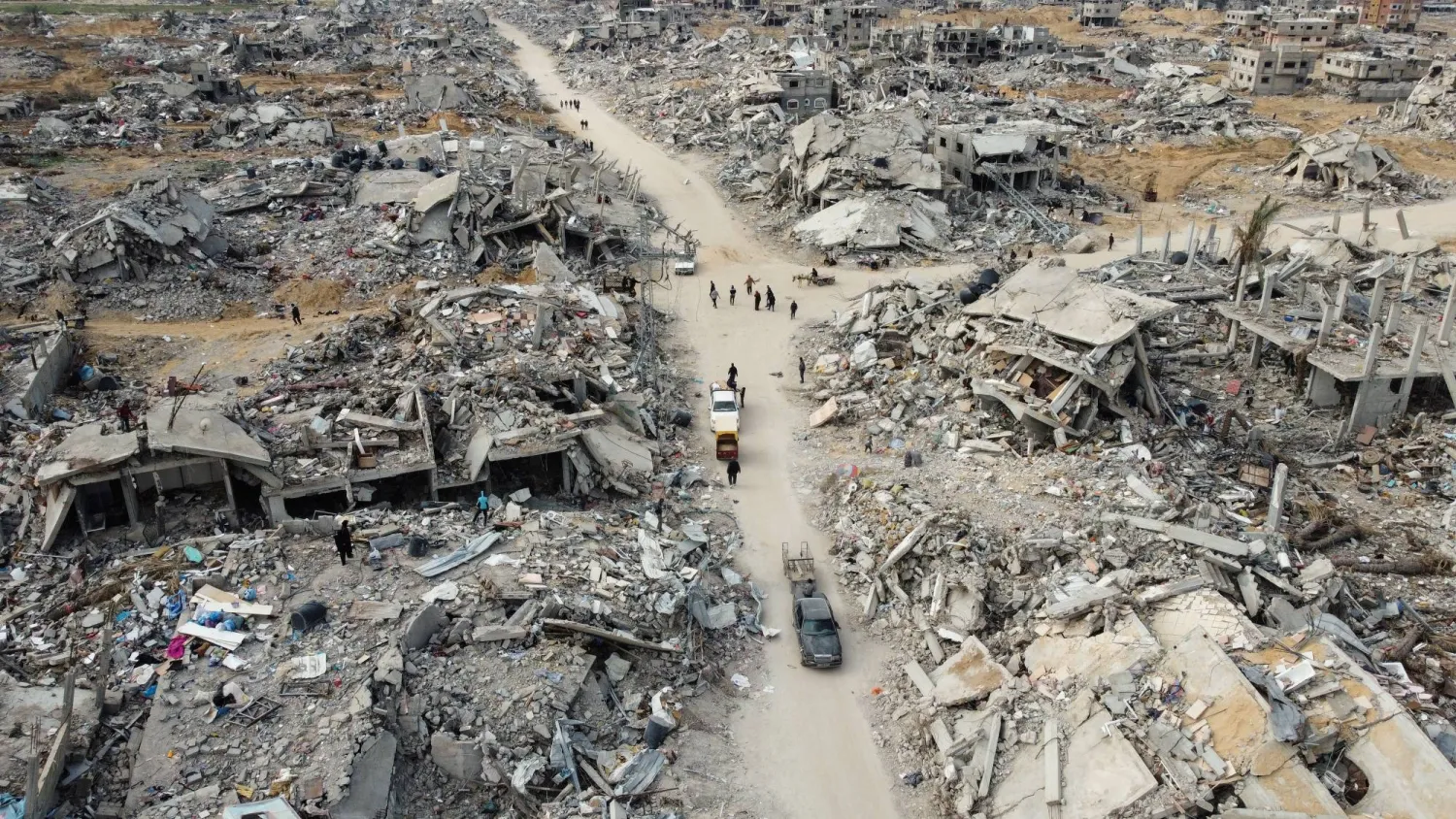
Currently, roughly 50% of the Gaza Strip is under Israeli military control amid ongoing demolitions and bombardments. Reports indicate that the trapped fighters are enduring extremely harsh underground conditions, with minimal access to supplies or escape routes. Despite this, the Israeli government continues to cite their presence as a pretext for continued strikes in Rafah.
Political Use of the Rafah File
Political observers argue that Netanyahu is using the trapped fighters as a justification for the destruction of Rafah, aiming to:
- Strengthen his image among far-right supporters.
- Deflect domestic criticism regarding the prolonged Gaza war.
- Frame the military operation as a matter of “national security”, turning the tunnels and the trapped fighters into a tool for political survival and city devastation.
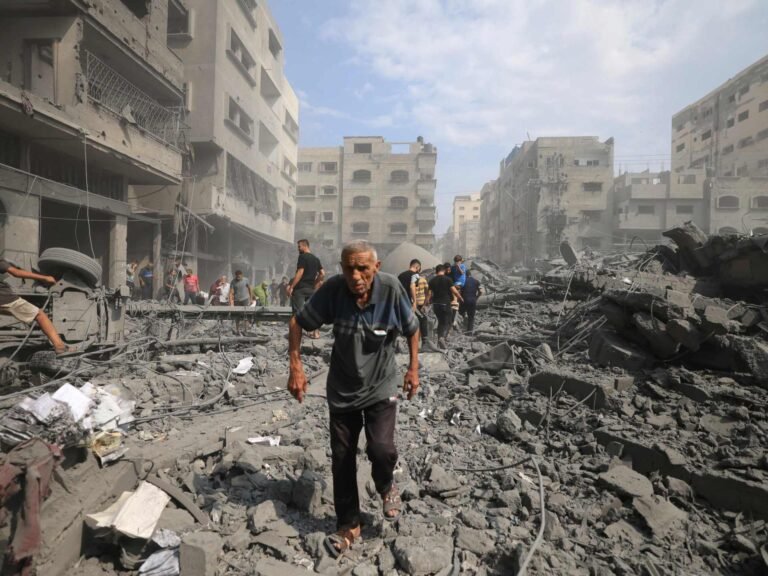
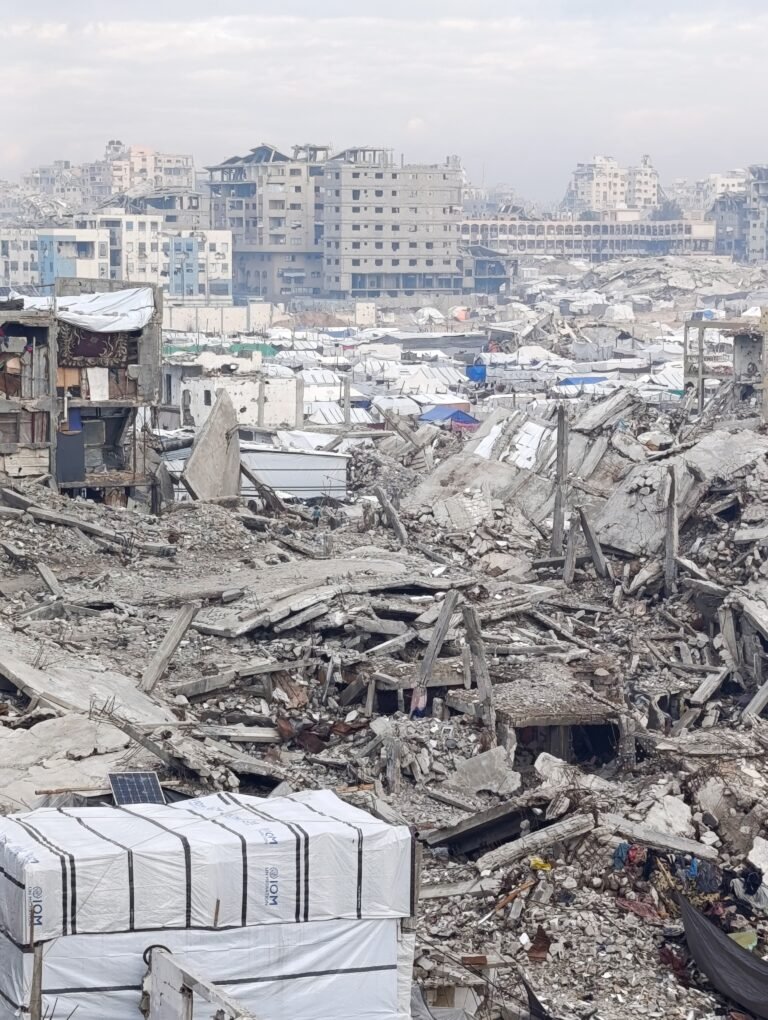
International pressure is mounting on Israel to halt its assault on Rafah, yet Netanyahu continues military operations, using the situation to rationalize the near-total destruction of the city.
The plight of the fighters trapped beneath Rafah highlights the human cost of ongoing Israeli aggression and the use of security narratives as cover for widespread destruction. The tunnels, initially military assets, have become symbols of the suffering endured by civilians and combatants alike in one of the most heavily bombed areas of Gaza.