

By Jamal Zakout
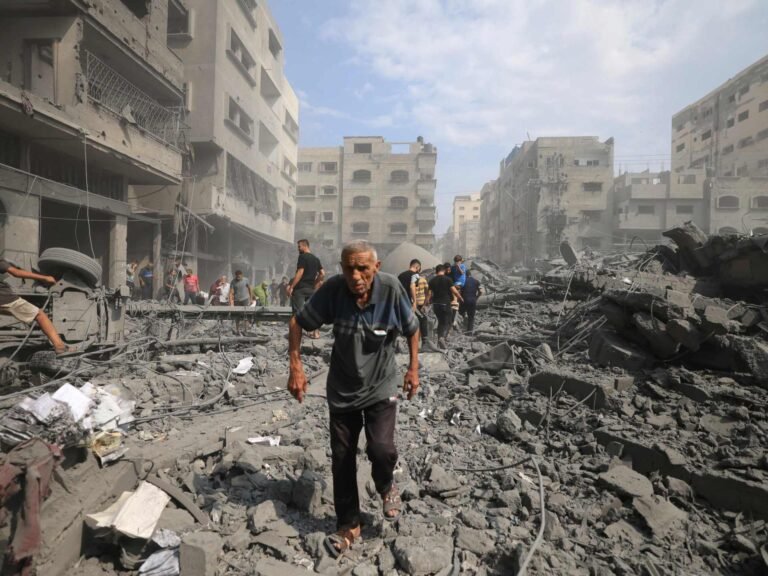
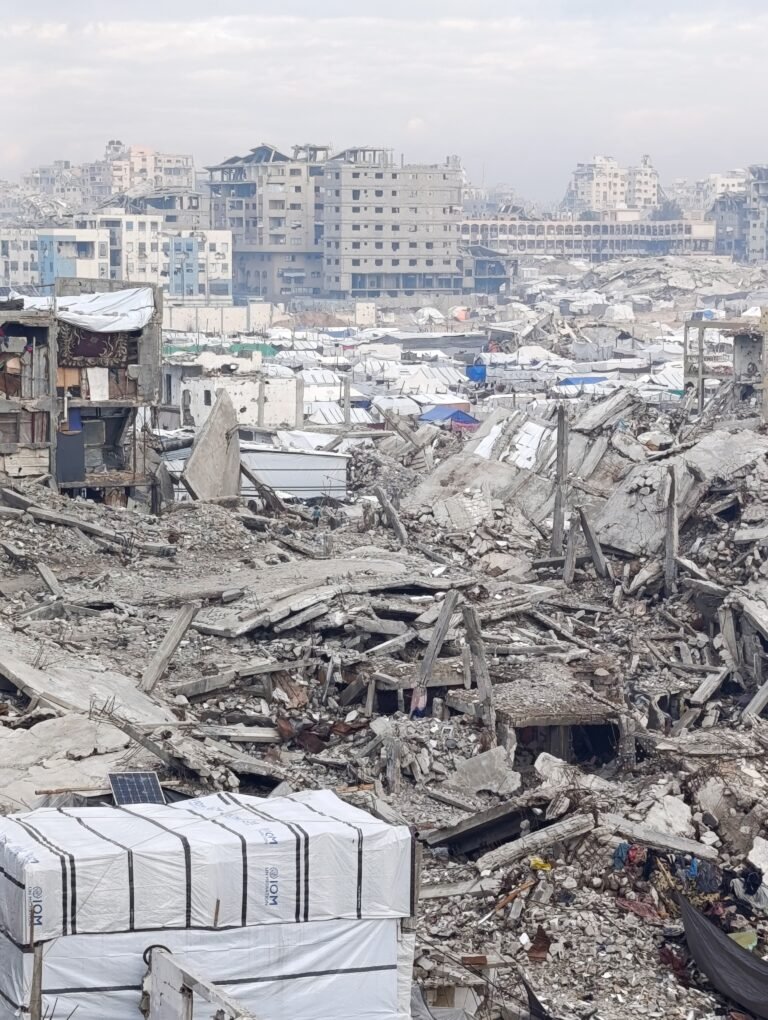
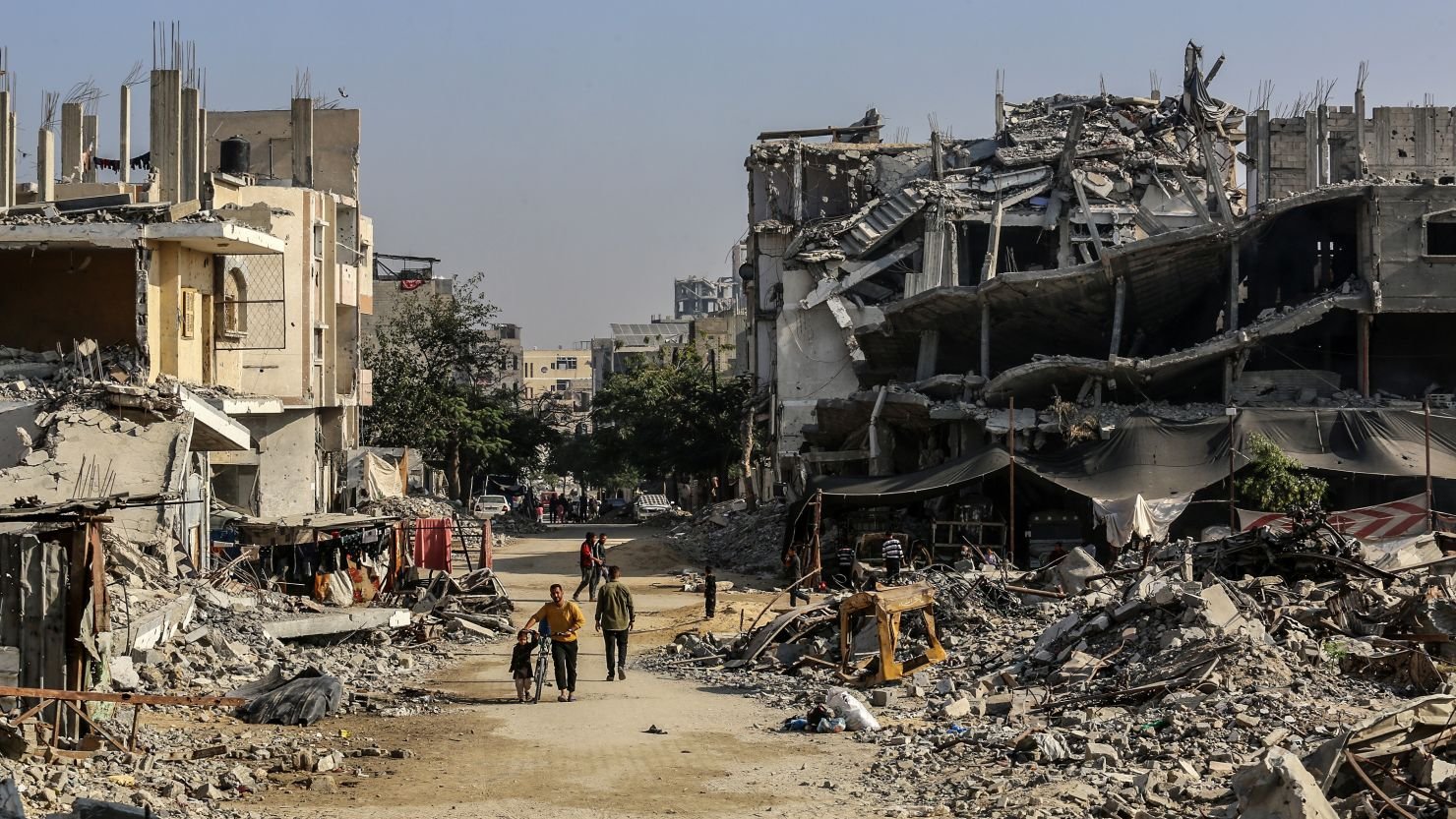
More than two years after the genocide in the Gaza Strip, it has become clear that the catastrophe has gone far beyond material and human losses to encompass the destruction of both the individual and society.
Estimates indicate that the victims of the genocide number around a quarter of a million Palestinians—killed, injured, or missing and that more than 90% of homes and infrastructure have been destroyed. Yet, these figures reflect only one aspect of a deeper tragedy, where fear, trauma, and despair have become part of daily life. The vengeful nature of this genocide, aimed at breaking the national spirit and fragmenting Palestinian society, reflects a systematic strategy to destroy the future of both the people and the nation.
It seeks to drown Palestinians in an endless series of crises and prevent them from overcoming them, ensuring that what the Israeli government cynically calls “voluntary migration” remains a possibility, despite its failure to achieve it so far.
A Generation of Threatened Children
Field studies indicate that more than 80% of children suffer from severe psychological disorders, including recurring nightmares, withdrawal, and aggressive behavior. Children live with a constant sense that death is imminent, losing the ability to play and learn naturally. These early traumas threaten their cognitive and social development and point to the likelihood of entire generations enduring long-term psychological and social consequences.
The Collapse of the Social Fabric
The genocide has also destroyed traditional social structures. Repeated displacement, loss of homes, and the collapse of livelihoods have led to the disintegration of families and local communities. Rates of domestic violence have risen, and homelessness has spread. Confidence in public, civil, and official institutions has eroded, leaving society trapped in mutual isolation, where each individual faces the risks of survival alone. This collective breakdown threatens the continuity of social cohesion and deepens the sense of helplessness and betrayal among Palestinians in Gaza.
The Collapse of the Mental Health System
Psychiatric centers and hospitals have been severely damaged, while shortages of staff and resources make regular mental healthcare almost impossible. Even health workers themselves are suffering from what is known as “burnout” and continuous trauma, limiting their ability to provide essential support to survivors. This crisis makes society less capable of addressing long-term psychological and social repercussions.
Trauma Beyond Gaza
The effects of the genocide are not limited to Gaza alone; they extend to Palestinians in the West Bank, inside Israel, and in refugee camps across the diaspora. Feelings of helplessness, guilt, and abandonment create additional psychological wounds and weaken the sense of national trust between different Palestinian communities. Gaza has become a shocking mirror reflecting the limits of solidarity and protection, further eroding the collective national identity and making the rebuilding of social cohesion far more difficult.
A Long-Term Threat
In the absence of coordinated and effective intervention, the impacts of the war will last for decades: declining societal productivity, widespread chronic psychological disorders, deteriorating learning abilities, and rising addiction rates. Continuous trauma threatens reconstruction and social resilience while fueling cycles of political and social revenge—leaving any future outlook fragile and uncertain.
What Can Be Done?
Despite limited resources, some programs have succeeded in alleviating psychological suffering, such as group counseling sessions in displacement camps and shelters. However, what is required now is a radical shift—from emergency response to psychological and social reconstruction—as an urgent and integral part of any recovery plan. This cannot wait for international reconstruction conferences; it requires immediate and serious action to sustain mental health services and provide psychosocial support for children in schools and shelters, to restore hope, learning capacity, and the spirit of childhood.
It is equally essential to support healthcare workers psychologically and professionally, restore social safety networks and cultural initiatives to revive dignity and national belonging, and strengthen social, cultural, and educational communication among all Palestinian communities to break isolation and revive solidarity.
International Complicity and Moral Failure
Gaza’s tragedy cannot be separated from international complicity, which has allowed the genocide to continue without accountability. Whether through inaction or implicit and explicit support, the international community has deepened the psychological and social crisis. In contrast, it bears a legal and moral responsibility to compel Israel to end its aggression, ensure humanitarian access, protect civilians, and support mental and social rehabilitation programs.
Activating this responsibility is a prerequisite for beginning to heal Palestinian wounds and restoring faith in international justice—especially as Israel, backed by Washington and several Western capitals, has completely disregarded the rulings of international courts, exposing the impotence of the global system as a whole.
National Consensus as a Prerequisite for Resilience
Reconstructing Gaza and creating an environment capable of addressing the psychological and social aftermath of genocide cannot succeed without a national consensus that rebuilds the social contract in its entirety—one that safeguards civil peace, restores social cohesion, and renews mutual trust among Palestinians everywhere.
Without such consensus, and amid Israel’s persistence in fragmenting Palestinian society, isolating Gaza from its national surroundings, delaying dignified shelter, and obstructing reconstruction efforts toward psychological and social recovery will remain limited, while the consequences of genocide on national identity and resilience will persist.
Reviving hope for our people in Gaza and beyond requires mobilizing not only all Palestinian capacities but also active engagement with global solidarity movements to confront the despair and disillusionment that the genocide has generated. It also requires reaffirming that the enormous sacrifices made by our people must not be wasted in factional disputes that obstruct justice and accountability.
These priorities demand that the dominant political forces heed the will of the people and the voice of the victims, moving immediately to rebuild inclusive national institutions—foremost among them, a Consensus-based National Transitional Government—as a prelude to holding elections within an agreed timeframe.
Such a step would restore citizenship to the core of the social contract and national objectives, empowering people to shape their future—one that begins with rebuilding the human being, ensures the unity of society, and preserves the values of solidarity and dignity.
The Palestinian person with his spirit and steadfastness remains the true cornerstone of any viable future. Any plan that fails to protect the human being will remain incomplete, and Gaza’s wounds will stay open before the conscience of the world