


Corpses of Palestinian Detainees: Evidence of Torture, Execution, and Organ Theft in Israeli Prisons
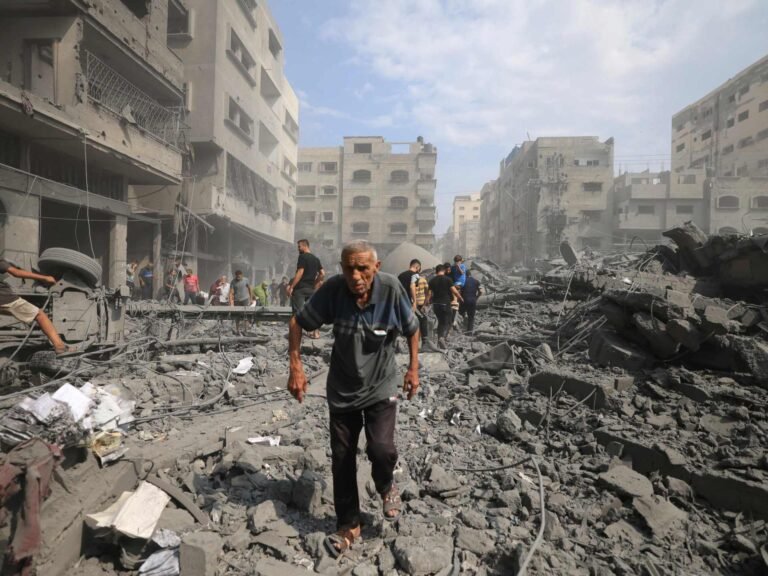
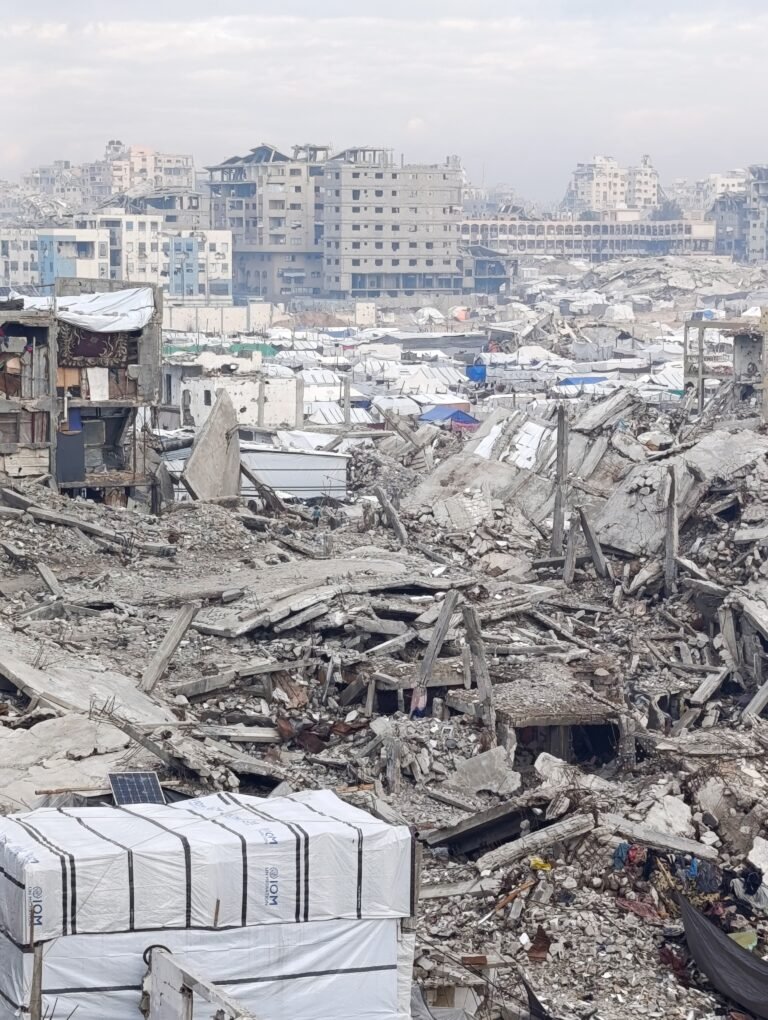
Amid widespread destruction and horrific scenes, the bodies of Palestinian detainees handed over by Israeli occupation authorities as part of exchange deals tell tragic stories of systematic torture, field executions, and organ theft they endured during their detention.
These bodies, delivered to their families in often unrecognizable conditions, have become living testaments to violations amounting to war crimes and crimes against humanity, according to Palestinian medical and human rights reports.
Horrific Scenes: Medical Examination of Mutilated Corpses
Physical Evidence Indicating Torture
Forensic evidence and pathology specialists in Gaza revealed shocking scenes from the bodies received from the Israeli occupation. Examinations showed severe torture marks that led to death in many cases, as confirmed by Samih Hamad, a forensic evidence specialist and member of the “Body Management Committee” in Gaza.
Among the most prominent documented evidence:
· Gagged eyes and hands cuffed behind the back with plastic zip ties, as well as shackled legs.
· Gunshot wounds from close range to the head and chest, indicating field executions.
· Burn marks and incised wounds on the abdomen, face, and neck, with severe skin redness.
· A tight rope around the neck on one of the bodies, suggesting strangulation and hanging.
· Emaciated skeletal structures and thin bodies confirming complete starvation and malnutrition, with hair loss and broken fingernails.
Evidence of Organ Theft
Preliminary examinations of at least 50 bodies revealed horrific evidence of theft of human organs from the martyrs’ bodies, according to Palestinian medical reports. Specialists noted that many bodies contained cotton pieces and stitched clothing inside them, in an attempt to hide traces of organ removal.
Dr. Mohammed Zaqout, Director General of Hospitals in the Gaza Ministry of Health, confirmed that the ministry received martyrs’ bodies “bearing clear signs of torture, and others bearing marks of tank tracks and gunshot wounds from close range.”
The Handover Process and Dealing with the Corpses: Challenges and Procedures
Mechanism for Receiving the Bodies
The bodies are handed over by the occupation authorities through the International Committee of the Red Cross. Israel is supposed to release 450 bodies under the exchange deal and the ceasefire agreement.
However, the occupation hands over these bodies without personal data, which increases the suffering of the missing persons’ families and complicates the identification process.
Efforts to Identify the Bodies
Palestinian authorities face significant challenges in identifying the bodies due to the comprehensive destruction of Gaza’s infrastructure and the lack of modern medical capabilities. The Body Management Committee has resorted to primitive methods for identification, including:
· Publishing photos of the bodies on the “My Health” website affiliated with the Gaza Ministry of Health.
· Displaying the photos on a large screen at the Nasser Medical Complex in Khan Yunis for the families of the missing.
· Documenting distinguishing marks in each body and accompanying personal belongings.
Between 300 to 500 people visit the display hall daily from the families of the missing, hoping to identify the fate of their sons.
Medical Procedures
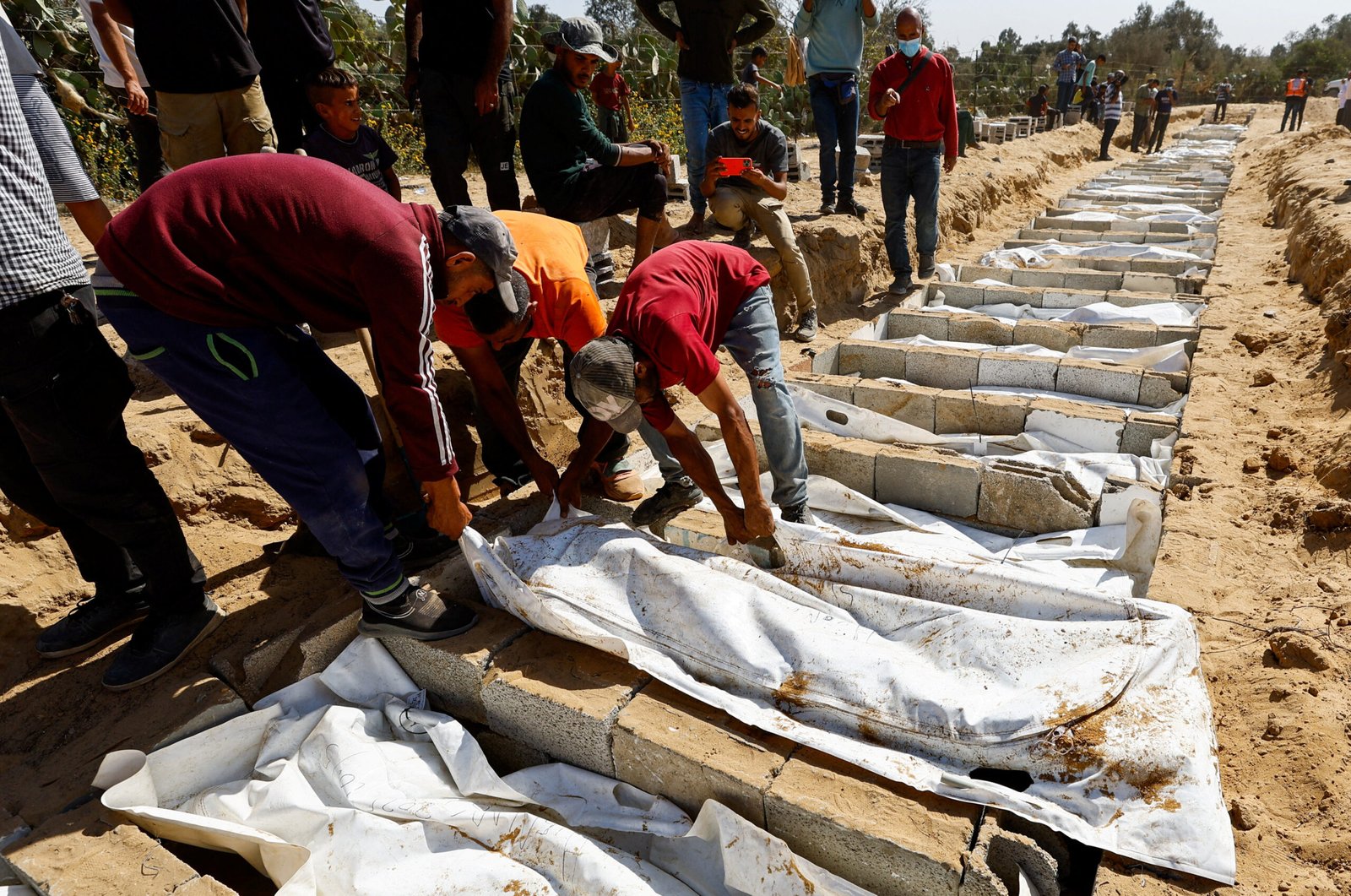
Faced with the difficulty of identification and the lack of sufficient refrigerators to preserve the bodies, the Ministry of Health in Gaza announced its intention to bury the unidentified bodies in a mass grave in the city of Deir al-Balah in the central Gaza Strip, with a special grave for each martyr attached with a code and whatever available information.
Testimonies and Cases: Moving Human Stories
The Case of Martyr Bahaa al-Deen al-Khatib
Among the identified cases is the story of Bahaa al-Deen Sadiq al-Khatib (45 years old) from Rafah, a liberated prisoner in the “Wafa al-Ahrar 1” deal, known as the “Shalit deal.” His body was received on October 18, 2025, and examination of his body revealed that he was subjected to enforced disappearance and field execution.
His wife confirmed his identity by recognizing his clothes, while about 60 of his relatives were present in the display hall, which was filled with screams and crying between confirming his identity and denial due to the horrific condition of the body.
Legal Accountability and the Stance of the International Community
Violations of International Law
Lawyers at the Al-Mezan Center for Human Rights confirm that detaining bodies and not handing them over constitutes a violation of the Fourth Geneva Convention, which requires determining the place, time, and circumstances of death and any additional information that enables the victims’ families to identify them.
Calls for International Accountability
Amjad al-Najjar, Director General of the Palestinian Prisoner’s Club, demanded the necessity of forming an international and neutral investigation committee to supervise the examination and autopsy of the bodies to determine the causes of death and document these violations.
He also called on the Prosecutor of the International Criminal Court to “stop the silence and immediately move to open a serious and comprehensive investigation into the crimes committed against prisoners and bodies.”
Conclusion: Crimes Without Statute of Limitations
The bodies of the Palestinian prisoners returned by Israel remain eternal witnesses to systematic torture crimes, extrajudicial executions, and violation of the sanctity of the dead—crimes that have no statute of limitations.
Despite Israeli attempts to hide the features of these crimes by mutilating the bodies and concealing their identities, the facts revealed by medical examinations remain damning evidence against the perpetrators, awaiting a day when they will see accountability and justice.
Hope remains that popular and international pressure will break the wall of silence surrounding these crimes and push the International Criminal Court to investigate them and prosecute those responsible, as has happened with war crimes and genocide throughout history.

Que sadismo, qué crueldad mezclada con economía, odio y degradación de la humanidad!!!
Cuanto dolor puede soportar el ser humano?